
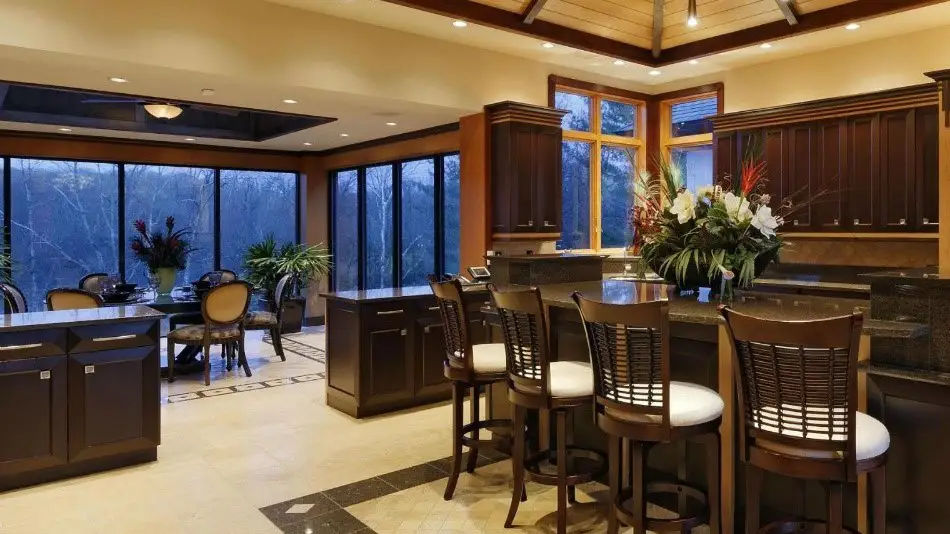
UV and fade protection window film is a thin film, usually clear, applied to the inside of your glass that blocks up to 99% of ultraviolet rays. Because UV is one of the main causes of fading, the film helps slow sun damage to hardwood floors, rugs, upholstery, artwork and merchandise. It reduces fading but can't stop it entirely, since visible light and heat play a part too.
What UV fade protection film is and how it works
Sunlight that comes through a window includes ultraviolet light, visible light and infrared heat. Ordinary glass stops most UV-B, but a large share of UV-A passes straight through. UV-A is energetic enough to break down dyes and finishes over time, which is why a rug near a sunny window ends up lighter than the part under the sofa.
UV protection film contains UV absorbers built into the polyester and adhesive layers. Most quality films block up to 99% of UV, and many do it while letting nearly all visible light through, so the room looks the same as it did before. That is the main appeal: real protection without darker glass.
What actually causes fading (an honest answer)
Fading has several causes. UV is usually the biggest single contributor, but visible light and heat cause fading too, and the material itself matters. Some dyes and finishes are simply more sensitive than others. That is why we don't promise film will stop fading. A clear UV film removes most of the UV, which slows fading significantly. A film that also trims visible light and heat removes more of the cause and gives more protection. The right choice depends on how sensitive your belongings are and how much light you want to keep.
Signs you need UV protection film
- Hardwood floors show lighter or darker patches where rugs or furniture sat.
- Rugs, upholstery or curtains are fading on the side facing the window.
- Artwork, photos or framed documents are losing color.
- Wood cabinets or trim near a window look washed out or yellowed.
- Retail merchandise in front windows needs to be rotated or marked down because it faded.
- You keep blinds closed all day just to protect things, and miss the daylight.
Comparing your film options
All three types below block most UV. The difference is how much visible light and heat they also reduce, and how much they change the look of the glass.
| Film type | UV blocked | Visible change | Heat reduction | Best for |
|---|---|---|---|---|
| Clear UV film | Up to 99% | Little to none | Minimal | Homes that want the original look, historic windows, galleries that need full daylight |
| Light tint | Up to 99% | Slightly darker, softer light | Modest; varies by film | Living rooms and kitchens with afternoon glare plus fading concerns |
| Solar / ceramic film | Up to 99% | Ranges from nearly clear to noticeably tinted | Highest of the three; varies by film | Hot south- and west-facing rooms, sunrooms, storefronts with strong sun |
Performance varies by film — we show you the spec sheet (TSER, VLT, glare reduction) before you choose. If you want a deeper look at the tint side, our article on whether window film lowers energy bills covers how heat control fits in.
What UV film protects
Hardwood floors, rugs and upholstery
Wood floors darken or bleach unevenly in the sun, and fabrics lose color fastest on the side facing the window. UV film slows that process so floors and furniture age more evenly. It's one of the most common reasons homeowners call us for residential window tinting.
Artwork, photos and collections
Paintings, prints, photographs, textiles and documents are especially light-sensitive. Museums and galleries manage UV, visible light and heat together, and the same thinking applies at home. Clear UV film is a good baseline; adding some visible-light reduction helps more for very sensitive pieces.
Cabinetry and interior finishes
Wood cabinets, trim, built-ins and painted walls near big kitchen and family-room windows can fade or yellow. Film helps keep finishes looking consistent from one side of the room to the other.
Retail merchandise and commercial spaces
Front-window displays of clothing, books, furniture and packaged goods fade quickly. Shops and offices often combine UV protection with heat and glare control as part of a commercial window tinting project.
UV film and your skin
Because ordinary glass lets UV-A through, people who sit near windows all day still get UV exposure. Film that blocks up to 99% of UV greatly reduces it at desks, reading chairs and sunroom seating. It's a helpful extra layer indoors, though it doesn't replace sun protection outside.
The St. Louis angle
St. Louis summers bring long, bright days, and south- and west-facing rooms take the hardest hit. Many homes in St. Louis City, Webster Groves and University City still have original single-pane glass with little UV protection, often alongside original hardwood worth protecting. Larger newer homes in Chesterfield and Ladue tend to have walls of glass in great rooms and sunrooms where fading shows up fast. Clear UV film is a good fit for older homes where owners want to keep the look of the original windows.
Tip: start with the sunniest rooms
If you're not doing the whole house, start with the rooms that get direct south or west sun and hold the things you most want to protect. You can always add more windows later.
Combining UV protection with heat control
If a room is also too hot or glary in summer, a single film can handle both. Ceramic and other solar heat control window film options block up to 99% of UV while also reducing heat, and newer double-pane windows may also be candidates for low-E window film for year-round comfort. We'll help you weigh how much light you want to keep against how much heat you want to cut.
Our installation process
- Estimate and sample on your glass. We visit, look at your windows and sun exposure, and put samples on your glass so you can see the difference.
- Film choice with spec sheet. We compare clear, light-tint and solar options using real spec sheets, then give you a written quote.
- Glass prep and cleaning. We protect floors and furniture, then deep-clean the glass and edges.
- Precise install and edge trim. Film is applied, squeegeed smooth and trimmed tight to the frame for a clean finish.
- Cure time and cleaning instructions. Film takes a few days to a few weeks to fully cure. We explain what to expect and how to clean it.
What affects the cost
Cost depends on the film type (clear UV film versus tinted or ceramic), the number and size of windows, glass access, and whether the glass is single- or double-pane. We give you a written quote after measuring. If your windows are covered by a manufacturer's warranty, read will window film void my window warranty before you choose.
Lifespan and cleaning
Quality interior film is built to last many years. Wait until it has cured, then clean with a soft cloth and an ammonia-free cleaner. Skip abrasive pads and blades. Ask about our lifetime warranty. Our work is guaranteed to last — if it isn't, let us know and we'll make it right.
Why hire a pro instead of DIY
Clear film shows every flaw: dust specks, fingerprints, creases and uneven edges stand out against a bright window. A professional install gives you clean, tight edges and a bubble-free finish, plus help choosing a film that's safe for your glass type. Schedule a free on-site estimate and we'll show you samples on your own windows.
Frequently Asked Questions
Will UV window film stop my floors and furniture from fading?
It will slow fading, but it cannot stop it completely. Ultraviolet light is one of the biggest causes of fading, and most quality films block up to 99% of it. Visible light and heat also contribute, so a film that also reduces some visible light and heat gives more protection than a clear UV-only film.
Does clear UV film change how my windows look?
Clear UV films are designed to be nearly invisible. They let almost all visible light through, so your rooms stay just as bright and your view stays the same. Most visitors will never know the film is there.
Don't my windows already block UV?
Ordinary glass blocks most UV-B but lets a lot of UV-A through, and UV-A is a major driver of fading. Some newer windows with low-E coatings block more, but many older St. Louis homes still have original glass with little UV protection. We can check your glass during the estimate.
Can UV window film protect my skin indoors?
Film that blocks up to 99% of UV greatly reduces the UV-A coming through the glass where you sit, which is the type of UV that passes through ordinary windows. It is a helpful extra layer for home offices, sunrooms and desks near windows, but it does not replace other sun protection outdoors.
Which rooms should get UV fade protection film first?
Start with rooms that get strong south or west sun and hold things you want to keep looking new, such as living rooms with hardwood and rugs, rooms with artwork or family photos, and sunrooms. Kitchens with wood cabinets and dining rooms with heirloom furniture are also common choices.
Is UV film a good idea for a retail store or gallery?
Yes. Shops use it to slow fading of merchandise in front windows, and galleries and collectors use it to help protect artwork, textiles and documents. For sensitive items, pairing UV blocking with some visible-light reduction usually gives the best protection, and we can show you spec sheets for both.