
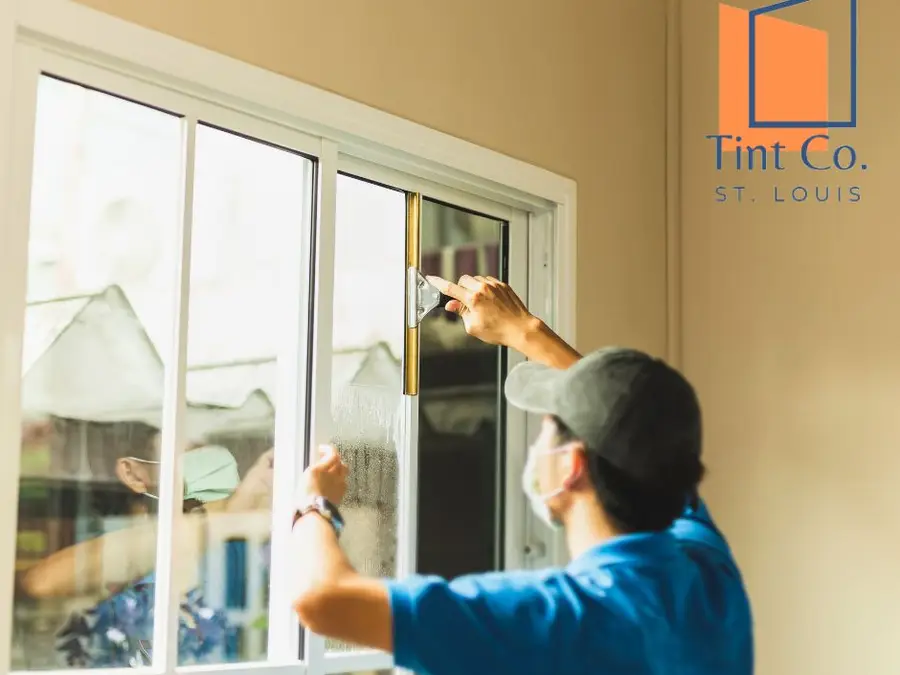
Yes, we tint windows across the City of St. Louis, homes, lofts, condos and storefronts. Most City projects use film to cut summer heat, glare and fading on older brick buildings with large original windows, while keeping the glass looking clear. If your property sits in a local historic district, check with the City's Cultural Resources Office before you choose a film, and we will help you pick a neutral option that suits the building.
Why window film fits St. Louis City buildings
The City's housing stock is old, brick and full of glass. Soulard is packed with red-brick row houses, many dating to the mid- to late-1800s. Lafayette Square's Victorian townhouses, in styles from Second Empire to Queen Anne, face Lafayette Park, which opened in 1851. In Southampton, most homes went up between the 1920s and late 1930s, brick and stone bungalows and Tudor cottages. Dogtown mixes early-1900s single-family bungalows with multi-family flats.
Those buildings share a few traits that make film a good fit. Many still have tall original windows or single-pane glass that lets in a lot of heat in July and a lot of glare in the late afternoon. Brick holds heat, so a west-facing room can stay warm well into the evening. And plenty of owners want to keep their original sash rather than replace it, which is where film shines: it works on the glass you already have.
Downtown is a different animal. The Washington Avenue Historic District is a former garment district of 55 commercial buildings built between 1899 and 1931, many now converted to residential lofts. Big factory windows are the selling point of a loft, and they are also why lofts overheat, fade floors and turn screens unreadable at certain hours.
Local note: historic districts and the Cultural Resources Office
The City has 18 local historic districts, including Soulard, Lafayette Square, the Central West End, Shaw, Benton Park, Fox Park and Tower Grove East. In those districts, exterior changes are reviewed against each district's standards by the City's Cultural Resources Office. Window film is applied to the inside of the glass and can be removed, so it is usually treated differently from replacing windows, but rules vary by district and a mirrored or dark film can change how a facade reads from the street. Check with the Cultural Resources Office about your address first. We will show you neutral, low-reflectivity films that keep the windows looking original.
Window film options for City homes and businesses
Homes, flats and row houses
For brick homes with original windows, our residential window tinting starts with the problem room: the sunroom that bakes, the bedroom that never cools, the front parlor with fading floors. A solar heat control window film on the south and west glass handles most of it. Light ceramic and spectrally selective films reject heat while staying close to clear, which matters on a historic facade. If you are weighing new sash instead, read our comparison of window film vs. replacement windows first.
Older single-pane glass also loses heat in winter. A low-E window film reflects some of that heat back into the room, which helps drafty-feeling front rooms in January without changing the windows themselves.
Lofts and condos
Loft windows are huge and often face another building across the street. That makes privacy window film and glare control the usual asks. Daytime privacy films let you see out while making it harder to see in during the day, and frosted film on lower panes works around the clock. Ask your association what is allowed before you commit.
Storefronts and offices
Neighborhood storefronts on streets in Soulard, the Central West End, Tower Grove and Dogtown deal with displays that fade and front counters that turn into greenhouses. Our commercial window tinting pairs a neutral solar film with UV fade protection (most quality films block up to 99% of UV) so the merchandise stays visible and holds its color longer. Where smash-and-grab is a worry, security and safety window film helps hold broken glass together longer.
| City building type | Typical problem | Film we usually look at |
|---|---|---|
| Brick row house or Victorian townhouse | Heat and glare through tall original windows | Light ceramic or spectrally selective solar film |
| Brick bungalow (Southampton, Dogtown) | Hot west rooms, fading floors, winter chill | Solar control or low-E film |
| Downtown or Washington Ave loft | Oversized glass, glare on screens, neighbors across the street | Glare control plus daytime privacy film |
| Neighborhood storefront | Fading displays, hot counters, break-in worries | Neutral solar film, UV film, clear security film |
Common window film projects in St. Louis City
- Heat and glare film on west-facing bay windows and parlor windows in brick homes
- Low-E film on original single-pane sash owners want to keep
- Glare and privacy film for downtown loft windows and condo living rooms
- Frosted or decorative film on bathroom windows and front-door sidelights
- UV and solar film on storefront display windows
- Clear security film on street-level glass and rear doors
Film performance varies by product. We show you the spec sheet, including total solar energy rejected (TSER), visible light transmission (VLT) and glare reduction, before you choose. For a plain-English breakdown of film families, see ceramic vs. dyed vs. reflective window film.
How your free on-site estimate works
- We come to you. We visit your home, loft or storefront by appointment and look at which windows face the sun and when.
- Samples on your glass. We put film samples on your actual windows so you can see the look from inside and from the sidewalk.
- Spec sheet and options. We walk through heat rejection, VLT, glare and UV numbers for each option and note any historic-district or association concerns.
- Written quote. You get a written quote with the film, the windows covered and the scope. No pressure.
- Clean install. On install day we prep and clean the glass, apply and trim the film, and leave you with cure time and cleaning instructions. Ask about our lifetime warranty.
Curious what drives the quote? Our guide to home window tinting cost factors covers glass size, film type and access. Ready to book? Request your free estimate or call (314) 200-0434.
Nearby areas we serve
Just west of the City line, we tint office towers and high-rise condos for window tinting in Clayton, and historic brick homes and Delmar Loop storefronts for window tinting in University City. A little farther southwest, we also serve homes and businesses with window tinting in Brentwood. See every town on our service areas page.
Frequently Asked Questions
Do I need city approval to put window film on a house in a St. Louis historic district?
It depends on your district and the film. The City's Cultural Resources Office reviews exterior changes in local historic districts, and window film is usually an interior, non-structural and removable treatment, but a highly reflective or dark film can change how a street-facing facade looks. Before you schedule, check with the Cultural Resources Office about your address, and we will show you neutral, low-reflectivity options that keep the glass looking original.
Can window film go on the original single-pane windows in an old St. Louis brick home?
Yes. Single-pane glass is one of the best candidates for film because it has no insulated unit to worry about. We check the glass for cracks, loose glazing and old wavy panes during the estimate and recommend a film suited to that glass, so you can keep the original sash and still cut heat, glare and UV.
Can I tint the windows in my downtown loft or condo?
Usually, but many loft and condo buildings have rules about what can be seen from outside. Check your association's guidelines first; many approve neutral or low-reflective films that look like clear glass from the street. We can bring samples so you can show the board exactly what the film looks like on your windows.
What film works best for a St. Louis storefront?
Most storefronts want less glare and fading without hiding the merchandise, so a light spectrally selective or neutral solar film is a common choice. If break-ins are a concern, a clear security film can hold shattered glass together longer. We look at your sun exposure and display needs on-site before recommending anything.
Do you tint windows in every St. Louis City neighborhood?
We serve homes and businesses throughout the City of St. Louis, from Soulard and Lafayette Square to the Central West End, Tower Grove, Southampton, Dogtown and downtown. Call (314) 200-0434 or request a free on-site estimate and we will set an appointment at your property.