
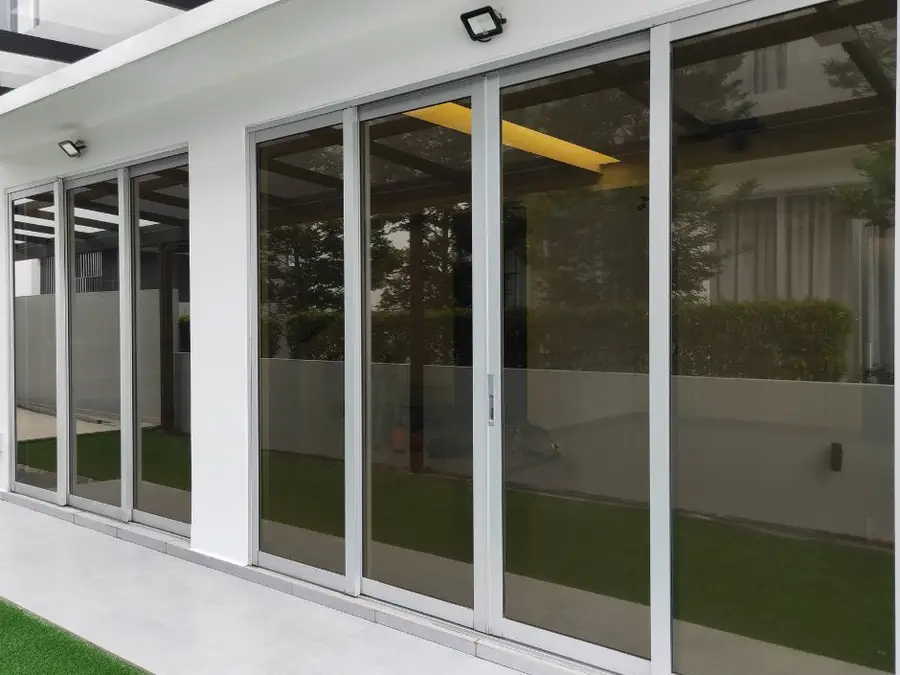
If your window frames are solid and the glass seals are intact, window film is usually the smarter buy: it cuts heat, glare and UV fading and adds privacy for far less money and disruption than new windows. If your windows have rotted sills, fogged glass between the panes, bad drafts or broken hardware, replacement is the right fix, because film only treats the glass. Many St. Louis homes end up doing both, replacing the worst units and filming the rest.
Start with the real question: what problem are you trying to solve?
Homeowners usually come to this decision from one of two directions. Either a room is uncomfortable (the west-facing living room that bakes every July afternoon, the bedroom that glares at sunrise, the hardwood floor that keeps fading), or the windows themselves are wearing out. Those are different problems with different fixes.
Window film works on the glass. It changes how much solar heat, visible light and ultraviolet energy passes through. Replacement windows fix the whole unit: frame, sash, seals, weatherstripping, hardware and glass. If your complaint is about what comes through the glass, film is often enough. If your complaint is about air, water or a window that won't open, film can't help.
When replacement windows are the right call
We'd rather tell you to replace a window than put film on one that's failing. These are the signs that point toward replacement:
- Rot or soft wood in the sill, sash or frame. Push a screwdriver into the bottom rail; if it sinks in, the window has a structural problem.
- Fogging or condensation between the panes of double-pane glass. That means the seal has failed and the insulating gas is gone. Film can't reseal it.
- Drafts you can feel around the sash or frame, especially on cold, windy days. Air leakage is a frame and weatherstripping issue, not a glass issue.
- Broken hardware: sashes that won't stay up, cranks that strip, locks that don't latch, or windows painted shut beyond saving.
- Water getting in during storms, or staining on the wall below the window.
- Cracked or broken glass. Film shouldn't go on damaged glass; the pane needs replacing first.
If several of these describe your windows, the money is better spent on new units. You can always add film later for privacy or extra UV protection.
When window film makes more sense
If the frames are sound and the windows open, close and seal properly, the problems most people actually feel day to day are about sunlight. That's where film does its best work:
- Heat gain. St. Louis summers are hot and humid, and south- and west-facing glass can turn a room into a greenhouse by late afternoon. Solar heat control window film rejects a share of that solar energy before it heats the room.
- Glare on TVs, computer screens and kitchen counters.
- Fading. Quality films block up to 99% of UV, which is a major driver of fading on floors, rugs, furniture and artwork. See our UV and fade protection film options.
- Privacy on street-facing rooms, bathrooms and sidelights, without blocking all the light. Our privacy window film page covers the choices.
- Safety. Security and safety film helps hold broken glass together, something a standard replacement window doesn't add.
Film also goes on in a day or less for most homes, with no tear-out, no trim repair, no painting and no dumpster in the driveway. You keep your windows, your interior trim and your schedule.
Comparing the two side by side
| Factor | Window film | Replacement windows |
|---|---|---|
| Relative cost | Much lower; priced by glass area and film type | Much higher; priced per unit plus installation and trim |
| Disruption | Usually done in a day; no tear-out | Removal, install, trim and finish work; can take days |
| Heat and glare | Strong improvement; varies by film | Depends on the glass package you order |
| UV / fading | Up to 99% UV blocked with quality films | Varies by glass coating |
| Drafts and air leaks | No effect | Fixes them |
| Failed seals / fogging | Cannot fix | Fixes them |
| Rot and broken hardware | Cannot fix | Fixes them |
| Privacy options | Many: one-way, frosted, decorative, blackout | Limited to obscure glass in select units |
| Keeps original windows | Yes | No |
| Best for | Sound windows with sun, glare, fading or privacy problems | Windows that leak, rot, fog or won't operate |
For a closer look at what drives a film quote, read how much home window tinting costs. For a realistic picture of energy impact, see does window film lower energy bills.
Older single-pane glass: where low-E film earns its keep
A lot of St. Louis housing still has original single-pane windows, especially in the City and in inner-ring suburbs where homes went up long before insulated glass was common. Single-pane glass loses heat fast in winter and lets heat pour in during summer.
Replacing every one of those windows is a big project. A middle path is low-E window film, which adds a thin, low-emissivity coating to the glass. It reflects radiant heat back into the room in cold weather and rejects solar heat in warm weather. It won't make a single-pane window perform like a new insulated unit, and it won't stop drafts around a loose sash, but paired with storm windows or good weatherstripping it can noticeably improve comfort. Performance varies by film, and we show you the spec sheet (TSER, VLT, U-value where listed) before you choose.
Historic homes: keeping the original windows
In older neighborhoods across St. Louis City, Webster Groves and Kirkwood, original wood windows are part of what gives a house its character, and some homes sit in historic districts with their own rules about exterior changes. Film goes on the interior side of the glass and leaves the frames, muntins and exterior look alone. If your home is in a designated district, check with your local preservation office before changing anything visible from the street. We can show you films with a neutral, non-mirrored look that's hard to spot from outside.
The combination approach most homes actually need
It's rarely all or nothing. A typical house has a few windows in rough shape and a lot of windows that are fine. A practical plan looks like this:
- Triage the windows. Walk the house and note any with rot, fogged glass, drafts or broken hardware. Those go on the replacement list.
- Find the sun problems. Note which rooms overheat, glare or fade. West and south exposures are the usual suspects in St. Louis.
- Replace only what's failing. Spend replacement money where film can't help.
- Film the sound glass. Treat the hot, bright or exposed rooms with the right film for each one.
- Revisit new units later. If new windows still glare or need privacy, film can often be added, once you've checked that window's warranty terms.
Before adding film to any newer double-pane unit, it's worth reading our guide on whether window film voids your window warranty.
What we check during a free estimate
When we come out, we look at more than measurements. We note glass type (single-pane, double-pane, low-E coated, tempered), the age and condition of the units, sun exposure on each side of the house and any signs of failed seals. If a window looks like it needs replacing, we'll say so instead of filming it. Then we put film samples right on your glass so you can see the difference in the actual room and give you a written quote.
If you're weighing film against new windows, start with our residential window tinting overview, then schedule a free on-site estimate or call (314) 200-0434. Our work is guaranteed to last; if it isn't, let us know and we'll make it right.
Frequently Asked Questions
Is window film cheaper than replacement windows?
Yes, in almost every case. Film is applied to the glass you already have, so there is no frame removal, no trim or siding work and no disposal of old units. The exact cost depends on how much glass you have and which film you choose, and we give you a written quote after a free on-site estimate.
Can window film fix fogging between the panes of my double-pane windows?
No. Fogging or moisture between the panes means the seal on the insulated glass unit has failed, and film cannot repair that. The fix is replacing the glass unit or the window. We will tell you honestly during the estimate if we see failed seals.
Does window film make old single-pane windows as efficient as new ones?
Not fully, but it can close part of the gap. A low-E window film adds a heat-reflective coating to single-pane glass that helps hold heat in during winter and reject solar heat in summer. Performance varies by film, so we show you the spec sheet before you choose.
Can I put window film on brand-new replacement windows?
Often yes, and many homeowners do it to add privacy, more glare control or UV protection that the new glass does not provide on its own. Check your new window warranty first, because some manufacturers have terms about aftermarket film, and we check the glass type with you during the estimate.